
 Image 1 of 6
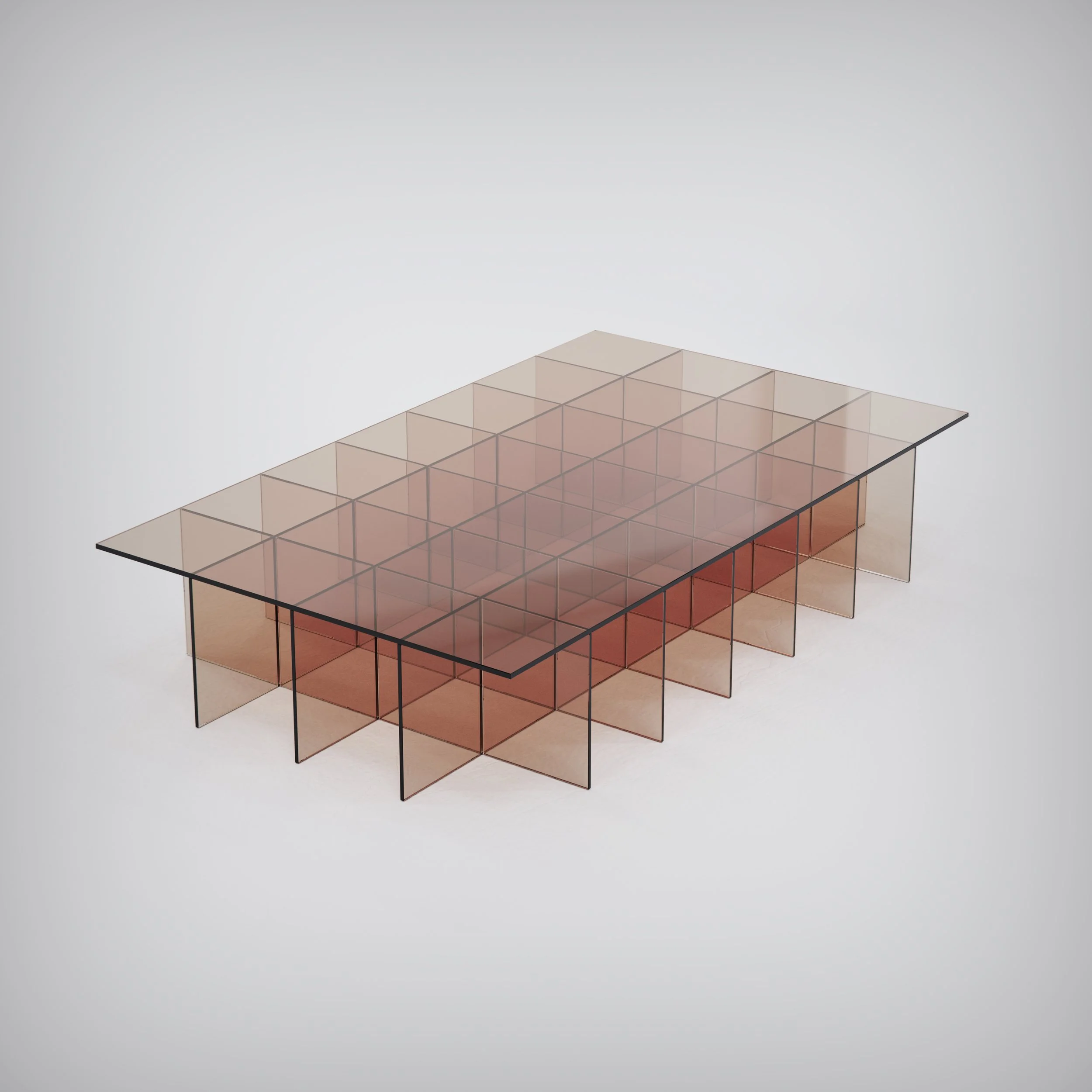 Image 2 of 6
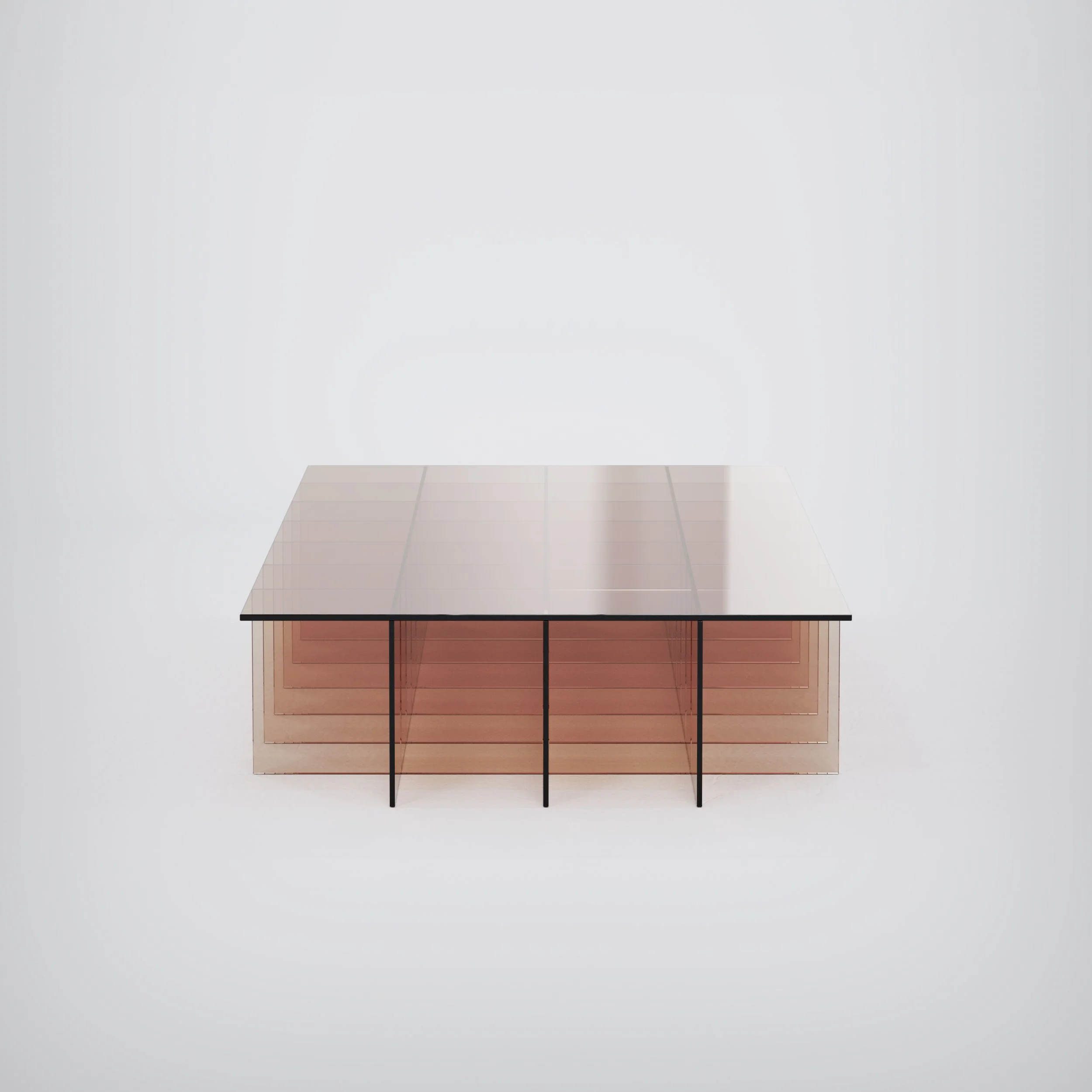 Image 3 of 6
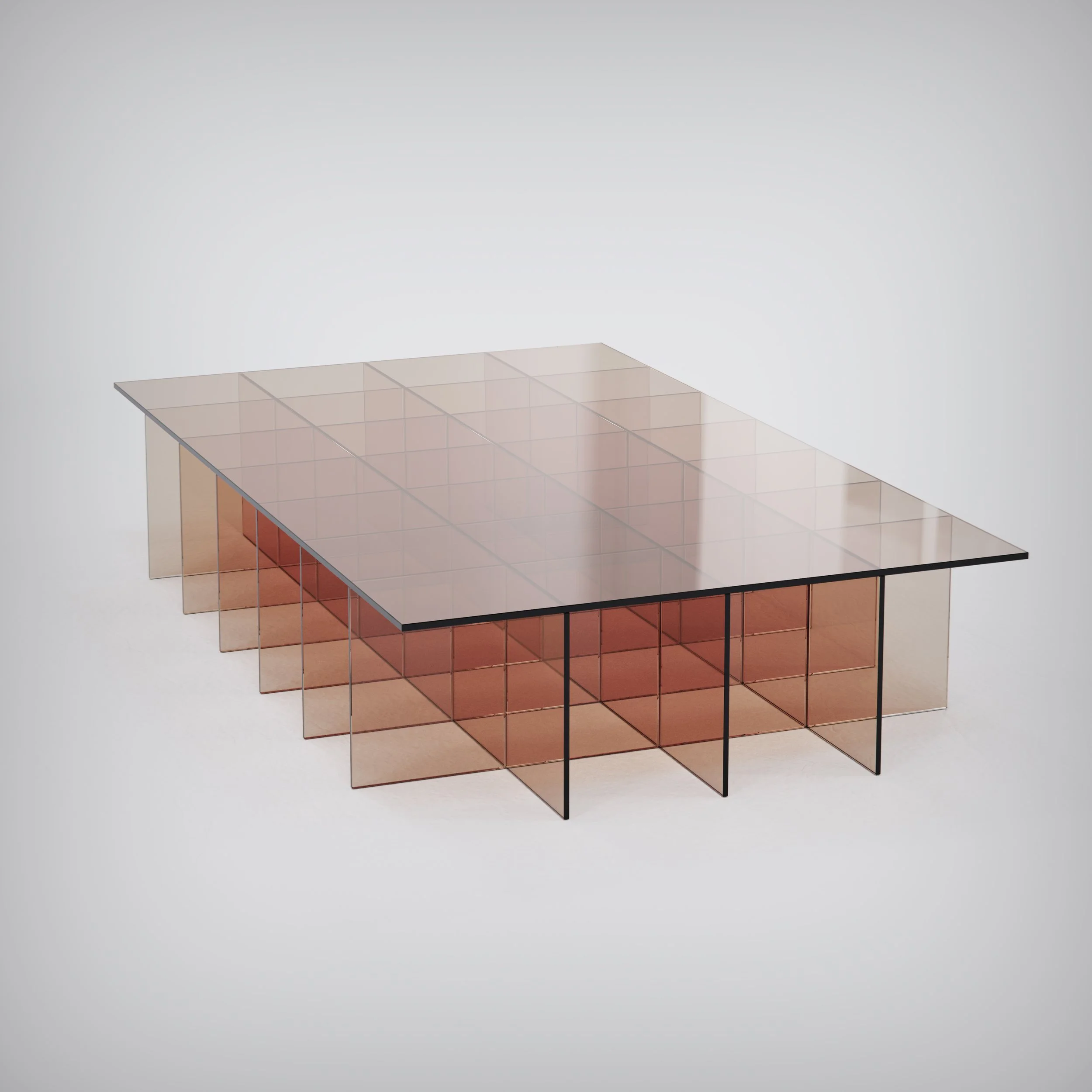 Image 4 of 6
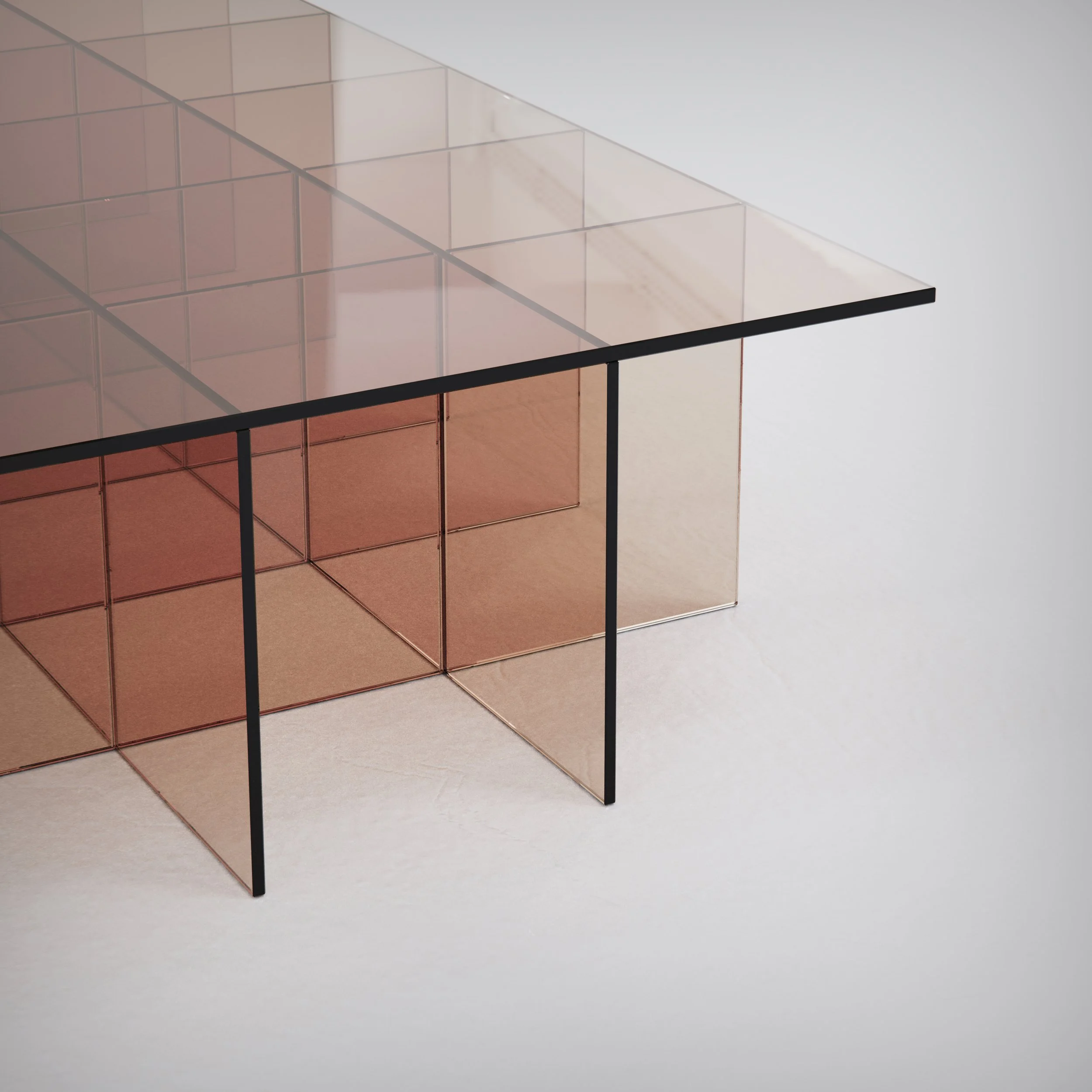 Image 5 of 6
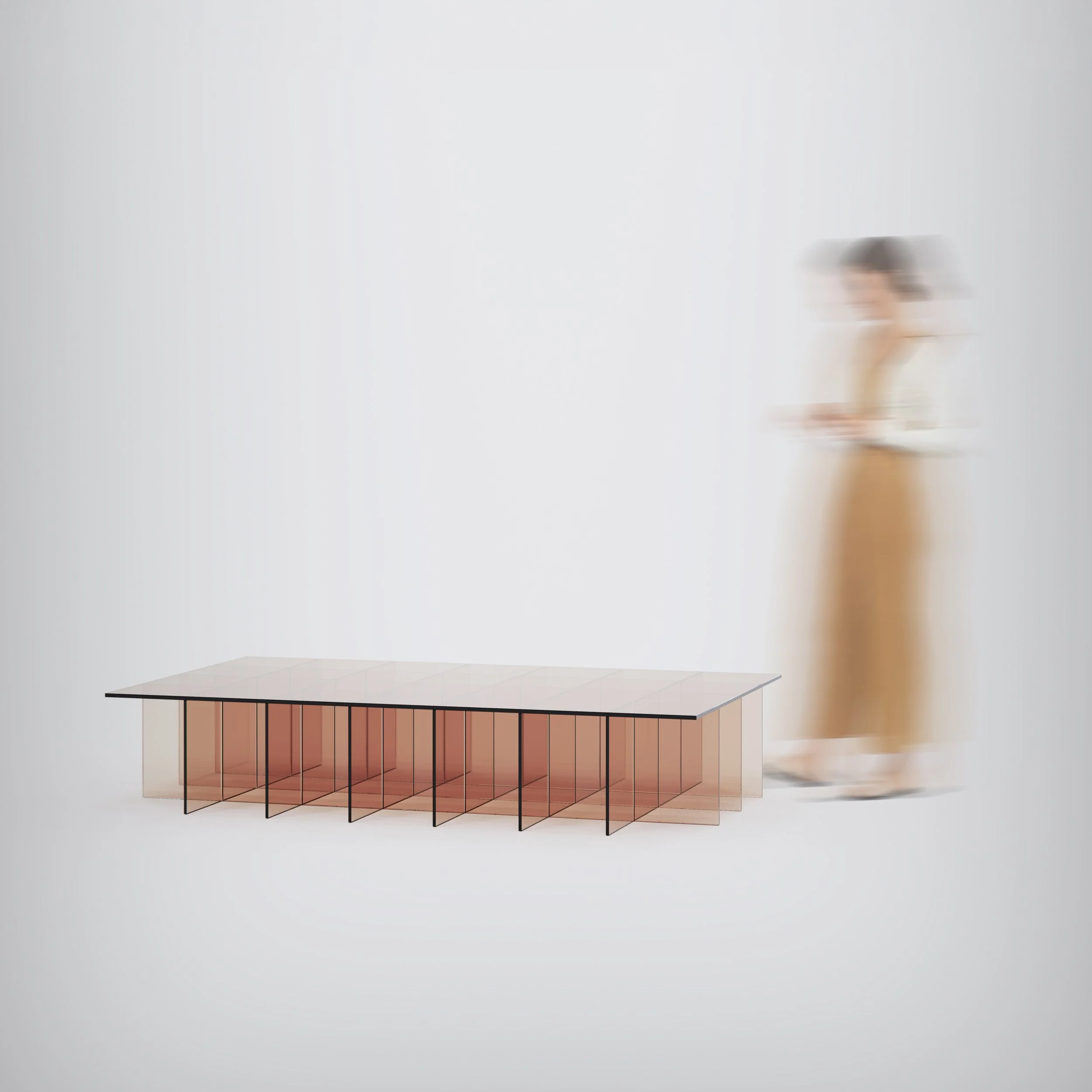 Image 6 of 6
LV Collection
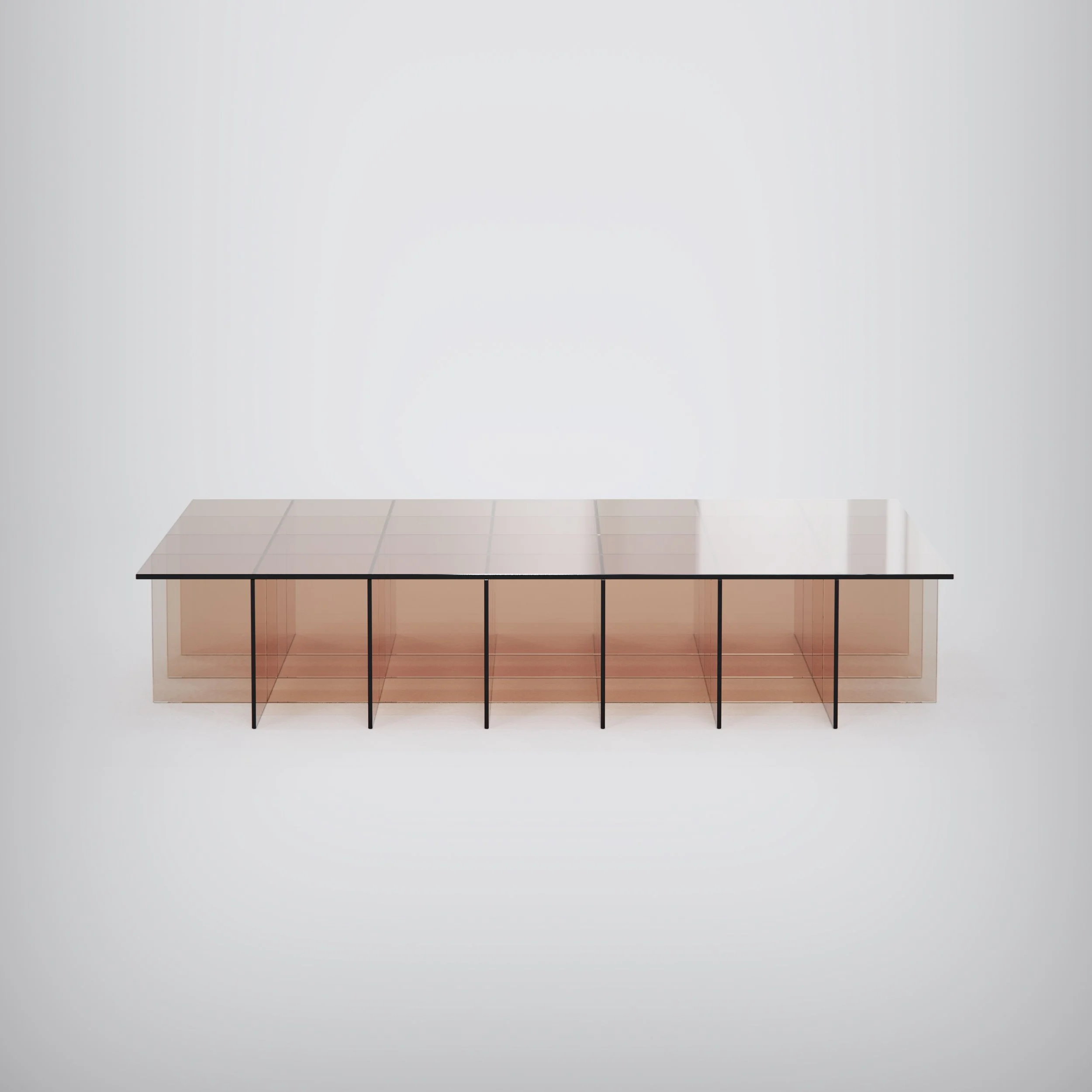
Within our studio, material research is very often the starting point of a project, allowing form to emerge from hands on experimentation rather than predetermined blueprints. For the LV Collection, we have focused exclusively on glass, exploring its limits through the reinterpretation of Lustro Veneziano; an ancient, disappearing artisanal technique. Historically confined to small scale decorative objects, Lustro involves applying a thin film of metallic oxides to glass, which fires into a light refracting, iridescent finish. We reintroduced this heritage craft into a contemporary context by expanding its scale, applying it to large design pieces for the very first time. By layering and overlapping hand painted glass sheets, the objects form dynamic optical compositions that shift with light and perspective. More than mere design objects, these pieces function as physical archives of a human legacy. The rigorous, slow-paced collaboration with master artisans is central to the work’s significance; a process where the intuition of the human hand achieves nuances that no automated machinery can replicate. By scaling up this meticulous method, the collection actively resists the erasure of historical craftsmanship. It serves as a vital case study in heritage preservation, proving that endangered traditions can be reactivated not just as nods to the past, but as raw, living material for the future of contemporary design.
Studio Niko Koronis